4 mins reading
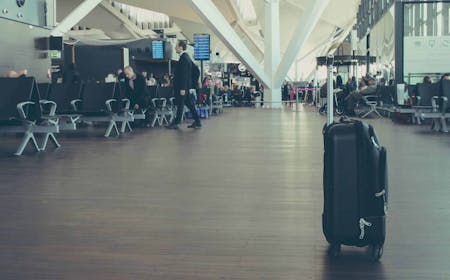
Martinique Airport
Martinique’s Aimé Césaire Airport is the second-busiest airport complex in the French West Indies, after Gu...
What is the capital of Martinique? It is Fort-de-France. Because Martinique is not a country, the exact administrative term is "chef-lieu": Fort-de-France is the prefecture of the island and the seat of the Collectivité territoriale de Martinique (CTM). With about 75,500 inhabitants, it is also the largest city on the island. Saint-Pierre, destroyed in 1902, was for a long time the economic capital of the island.
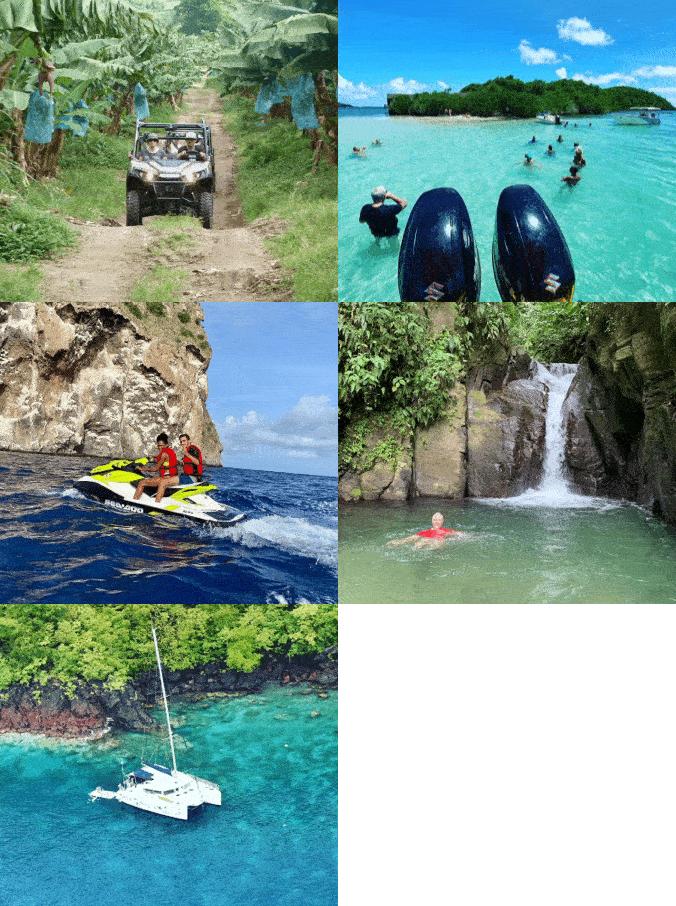
Unforgettable adventures await you - whether with family, as a couple, with friends, or for unusual discoveries. Find the perfect activity for every moment!
Easy and Secure Booking
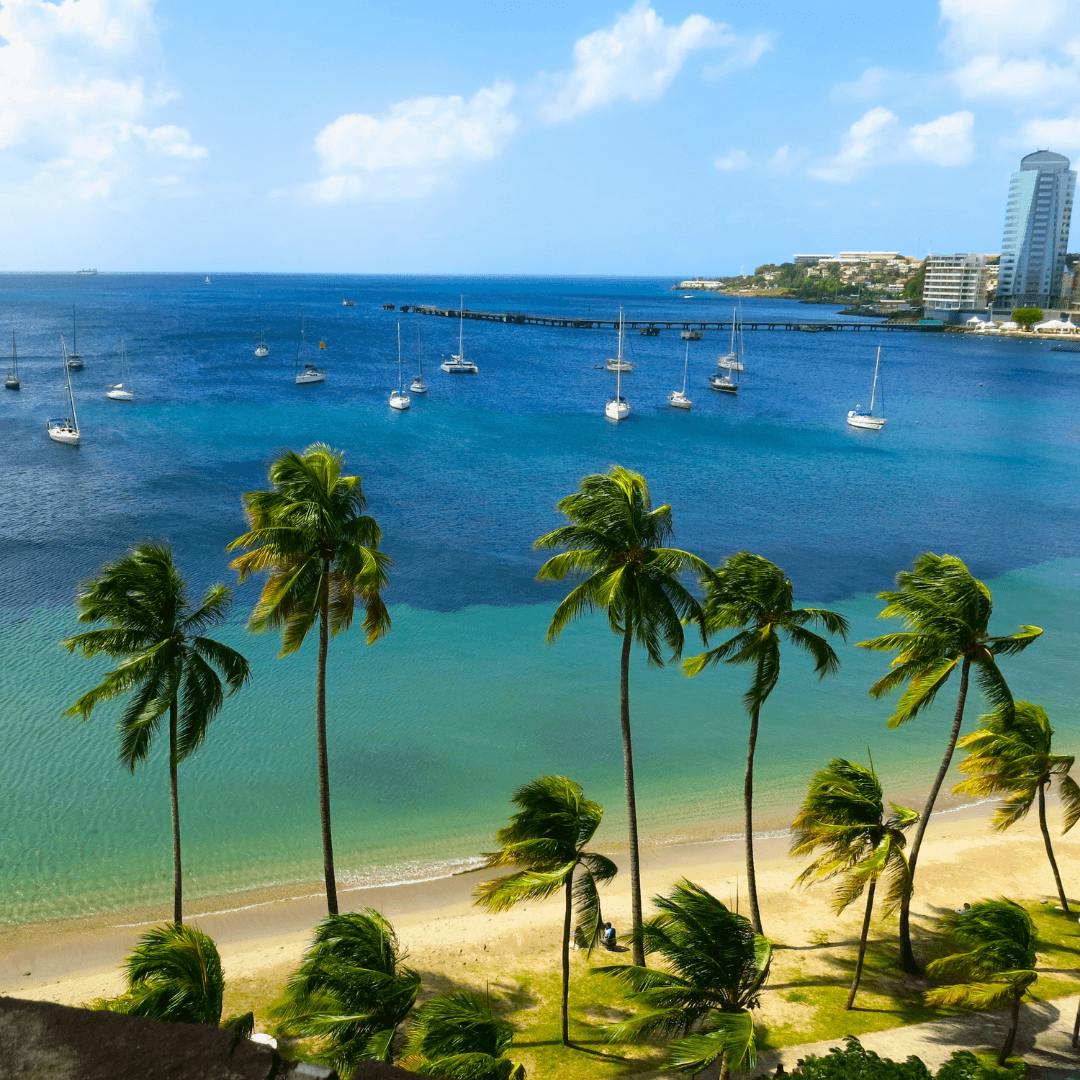
Martinique is an island in the Lesser Antilles. A real earthly paradise, you have probably already heard about it. I would be surprised if this is not the case. Martinique is a DROM (overseas department and region), with the special status of a single territorial collectivity.
The island of flowers is a French overseas region. Its culture is a splendid fusion of French and Creole culture. Always a touch of authenticity with a touch of modernity, you are sure to love it!
From paradisiacal beaches to delicate gardens, islets and unusual volcanoes, there is something for everyone... literally! Taste hundreds of local fruits and vegetables, not to mention the local specialties based on freshly caught fish. Be careful not to eat your fingers... I know it's very tempting, but a little restraint, eh!
Yes, in everyday usage, Fort-de-France is the capital of Martinique. Administratively, the proper word is "chef-lieu" (administrative seat), because Martinique is not a country. The city is the prefecture of the island and is home to the Hôtel de la Collectivité territoriale de Martinique (CTM), in the Cluny district, where the executive council and the Assembly of Martinique sit. Why does everyone see it as the capital? Because it is the biggest city of the island and the center of its institutions. Martinique is a DROM, an overseas department and region, and not a sovereign country: that is where the nuance of vocabulary comes from.
Fort-de-France is the largest city in Martinique, and also the most populated: about 75,500 inhabitants according to INSEE (municipal population on 1 January 2023). Did you know that the city was called Fort-Royal until the early 19th century? That's probably why its inhabitants are called the Foyalais. As you may have guessed, it all started with a fort built in the late 1630s, and the town grew up around it in the late 1660s. During its colonial history, the city was occupied in turn by the French and the British. The seat of government moved from Saint-Pierre to Fort-Royal in 1692. The name Fort-de-France is generally dated to 1807 and the city still bears it today.
If you have read some of our articles, you may have seen that Saint-Pierre, "the Little Paris of the Antilles", was the economic and cultural capital of the island, until it was tragically destroyed by the eruption of Mount Pelée on 8 May 1902, which killed between 26,000 and 30,000 people according to estimates. Fort-de-France, already the seat of government since 1692, saw its role strengthened. Fun fact: Aimé Césaire was mayor of Fort-de-France from 1945 to 2001. Elected and re-elected for almost 56 years, we can say that he was very "loved"!
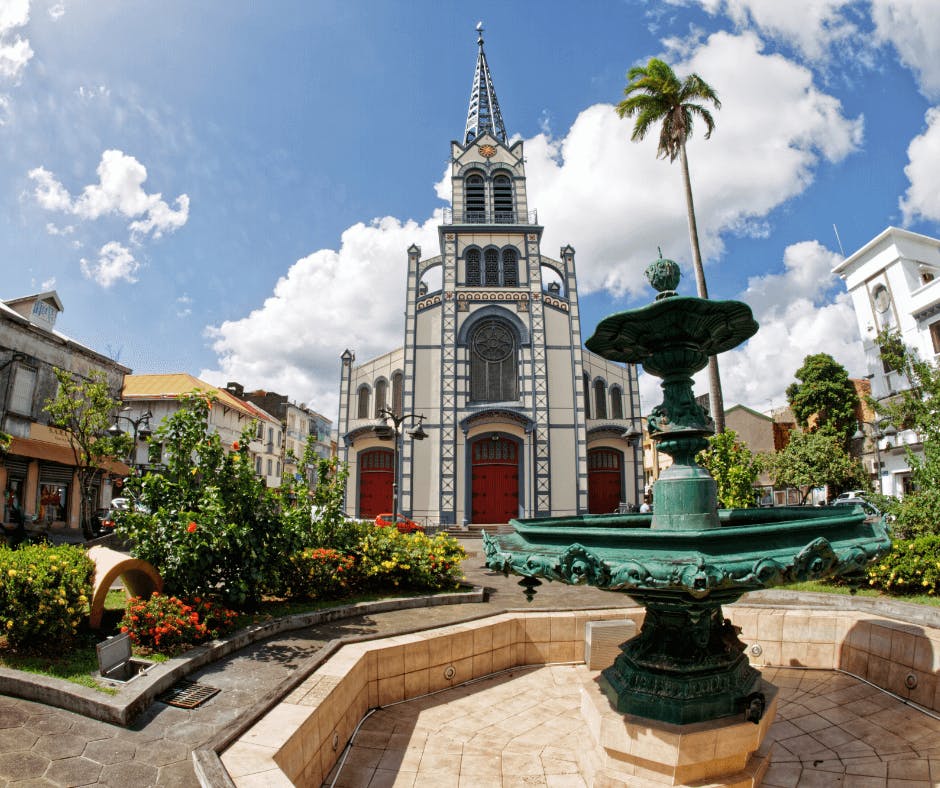
Around the Savane, the Saint-Louis cathedral (a building from 1895, listed as a historic monument) and the Schoelcher library (opened in 1893) can be explored on foot. The covered market is liveliest early in the morning.
I have compiled for you the best things to do during your next stay in Martinique, and in particular in Fort-de-France. Consider spending a morning or two at the local markets. Don't miss the opportunity to discover all the delights the island has to offer! Don't forget the warm exchange with the Martinicans who will be delighted to see you curious about the Creole culture.
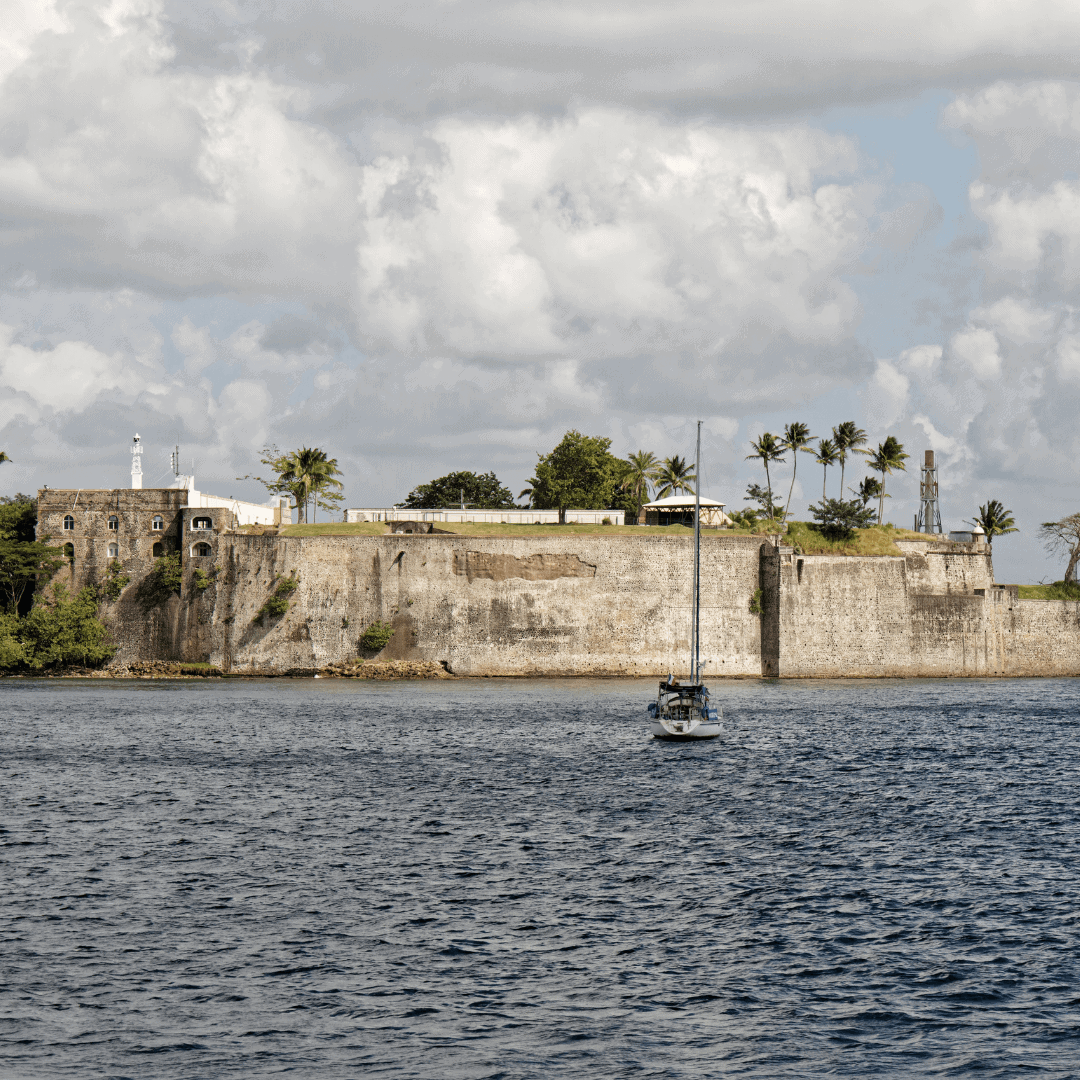
Then spend an afternoon discovering Fort Saint-Louis. It is still a naval base of the French Navy: only part of the site is open, on a guided tour, usually Tuesday to Saturday. Check the hours and the price with the tourist office before you go, and take the opportunity to learn the history of this monument from your guide!
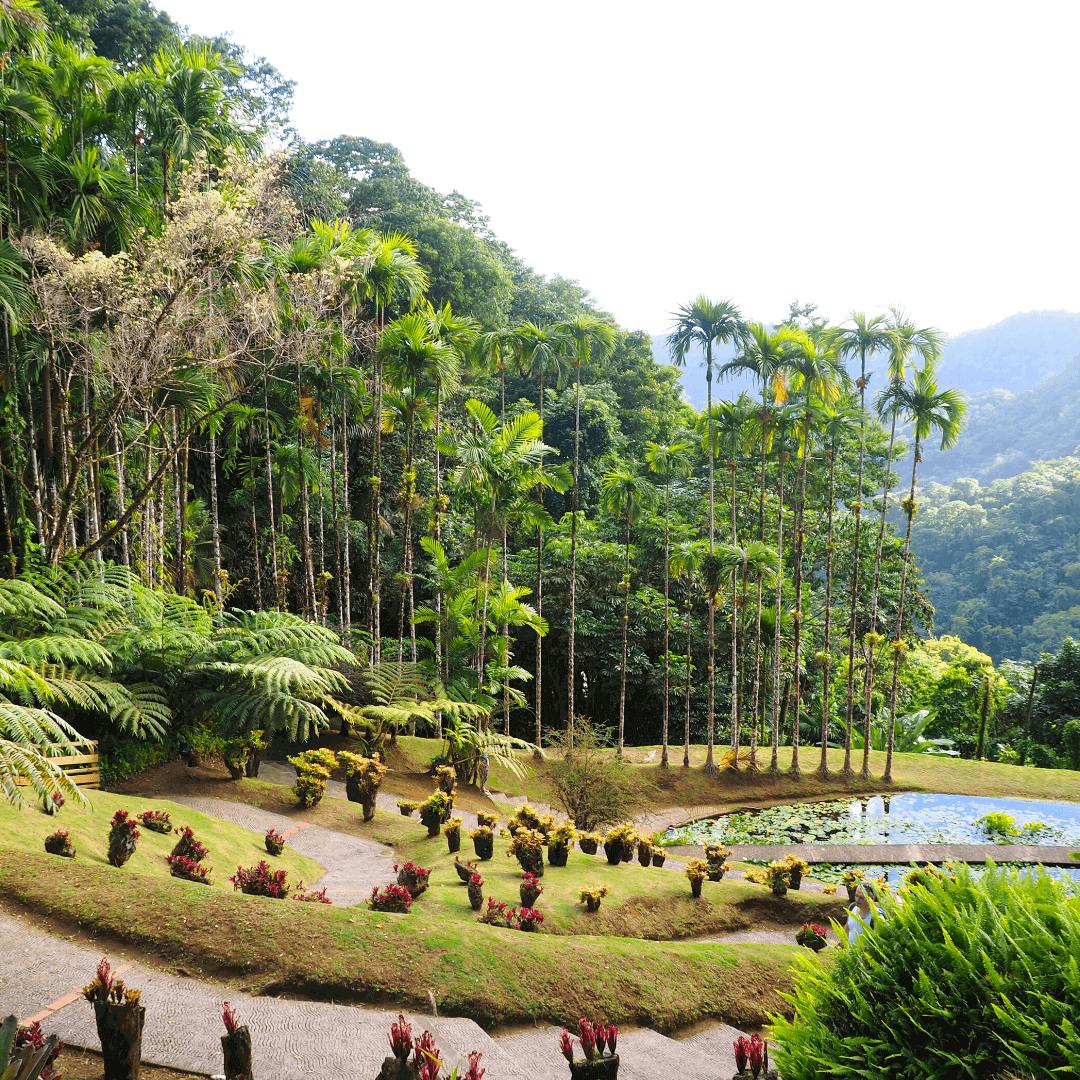
The Balata garden, about ten kilometres north of the city center on the Route de la Trace, is a must. You will find there more than 3000 species of exotic and tropical plants. The landscape is breathtaking. You will think you are on the set of the Jungle Book, so unreal are the suspended walkways, about fifteen meters high, and the wild flora. A real delight for nature lovers!
Fort-de-France is first of all a rich and eventful history. You can trace it at the Departmental Museum of Pre-Columbian Archaeology and Prehistory, on rue de la Liberté, whose artifacts go back to the Amerindian civilization. A real window on the past at your fingertips.
The Malecon, a seaside promenade facing the Savane, is ideal at the end of the day: the place is as magical as its name. You absolutely must spend a few hours there. It will be your little secret place... shhh... to relax away from the hustle and bustle. Finish with a walk in the Savane, a 5-hectare garden at the foot of the fort: it will erase all your worries with the Caribbean breeze.
Want a guided visit? Discover the street art tour in the heart of Fort-de-France or the gourmet walks of the city.
Capital or chef-lieu, Fort-de-France is a highly symbolic city for Martinique. As well in history as in cultural weight. Whether it is your first stay in Martinique or you are a regular visitor, Fort-de-France remains a place to visit absolutely, especially since Aimé-Césaire airport is only about twenty minutes away by car. You have no excuse to miss it! To plan your trip, see our guides to the best time to visit Martinique and to car rental in Martinique.
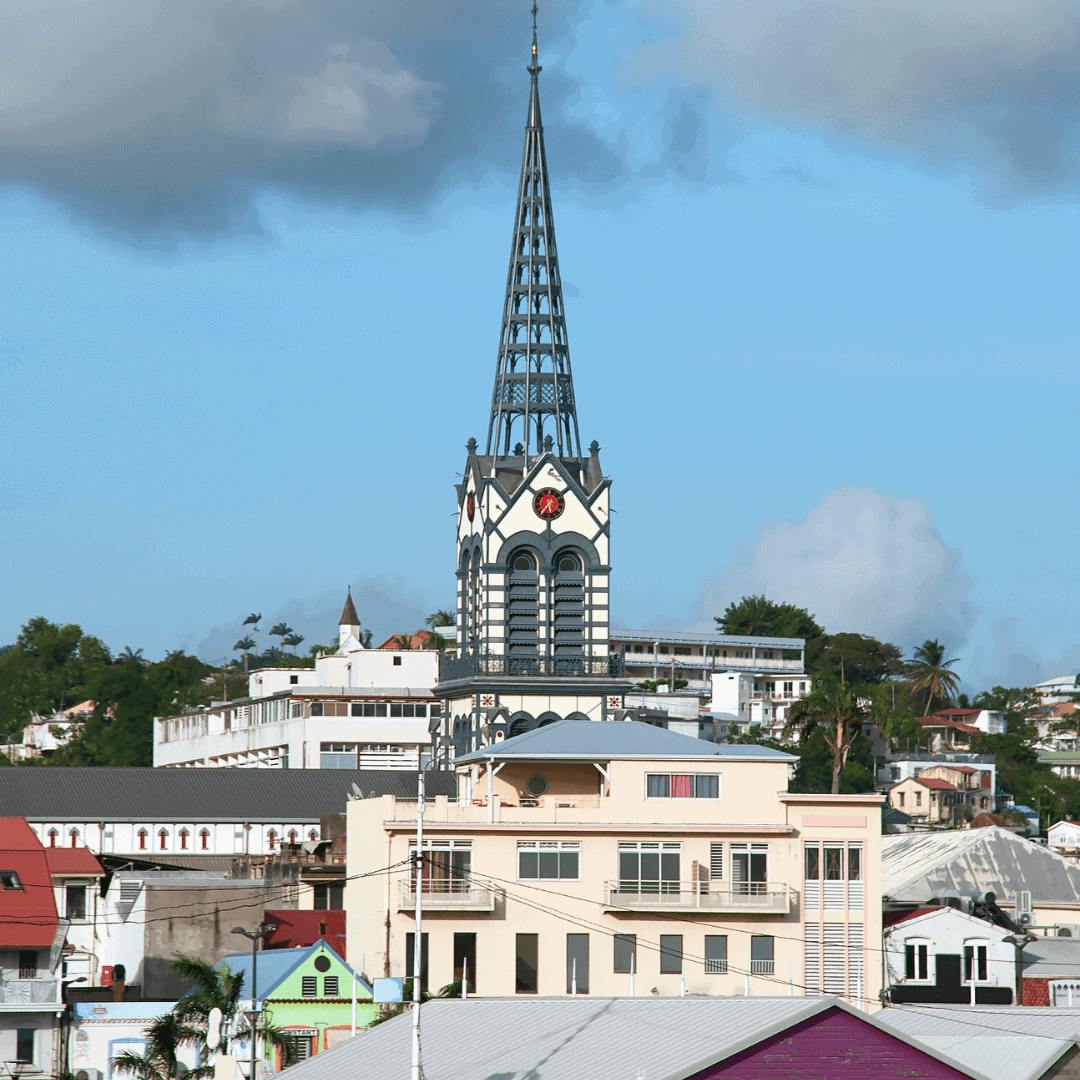
Fort-de-France, in the center of the island, on the bay. Technically it is the chef-lieu: the city is home to the prefecture and the seat of the Collectivité territoriale de Martinique.
About 75,500 inhabitants according to INSEE (municipal population on 1 January 2023, published in December 2025). The urban area has more than 115,000 inhabitants.
Saint-Pierre was the economic and cultural capital, nicknamed the Little Paris of the Antilles. The seat of government had moved to Fort-Royal, now Fort-de-France, as early as 1692, and the eruption of Mount Pelée on 8 May 1902 destroyed Saint-Pierre.
It grew up around a fort built in the 17th century and bore the name Fort-Royal, interrupted by a brief Fort-de-la-République under the Revolution. The name Fort-de-France is generally dated to 1807.
Unforgettable adventures await you - whether with family, as a couple, with friends, or for unusual discoveries. Find the perfect activity for every moment!
Easy and Secure Booking

Martinique’s Aimé Césaire Airport is the second-busiest airport complex in the French West Indies, after Gu...
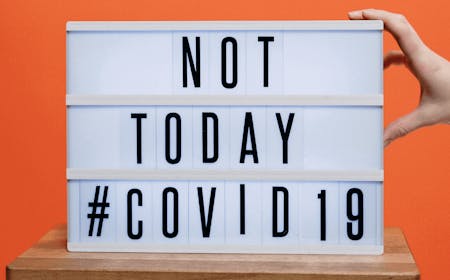
The effect of the pneumonia-like infection, known as Covid-19, is now being felt also in the rugged Caribbe...
Martinique is a small French-speaking island in the Caribbean sea which effortlessly blends European splend...